Retail Logistics Services: Where the Customer Journey Actually Lives
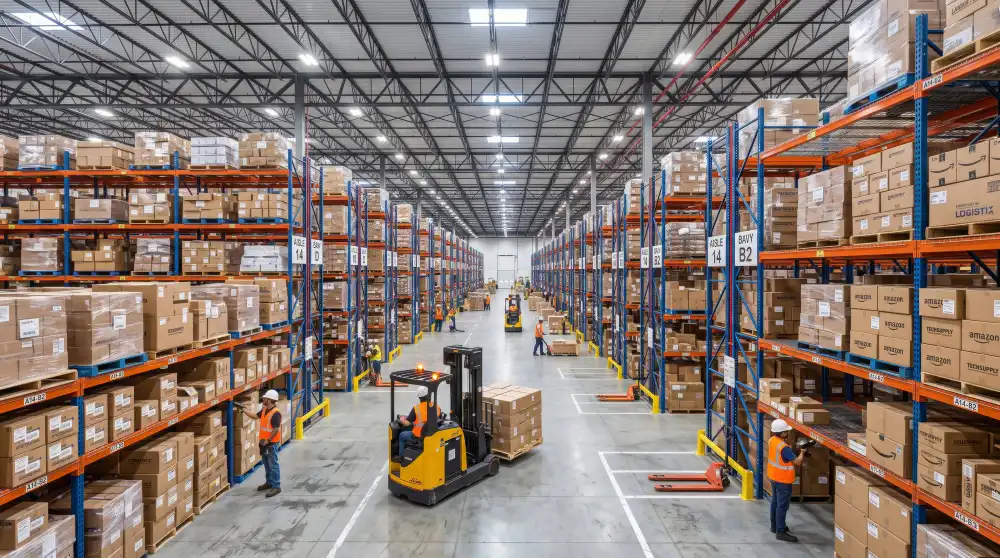
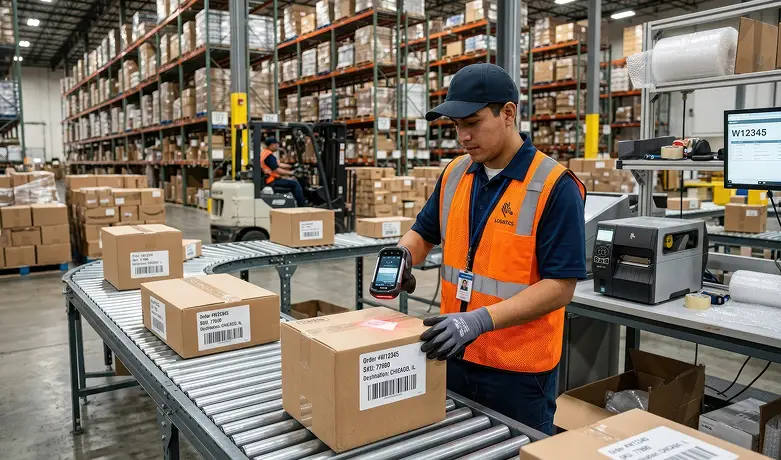
For retail brands, it is assumed that the customer experience generally begins at the checkout. But in reality it begins the moment inventory decisions are made. Retail fulfillment solutions built around regional warehousing, real-time inventory accuracy, and flexible last-mile options are what allow a brand to promise next-day or same-day delivery and actually keep that promise. Consumer expectations have compressed accordingly. Today the average expected free-delivery windows are measured in days, not weeks, and free shipping remains one of the single biggest influences on whether a shopper completes a purchase at all.
Reverse logistics has become just as important to the experience as the outbound journey. Returns are no longer an afterthought; a majority of shoppers say they’re less likely to return to a retailer after a poor return experience, which means retail logistics services now need to treat returns processing with the same urgency as fulfillment. Retailers that combine omnichannel fulfillment, buy online, pick up in store, ship from store with transparent tracking, experience measurable gains in customer satisfaction, particularly around pickup accuracy and order-readiness speed.
How Event Freight Logistics Performs Flawless Onsite Execution
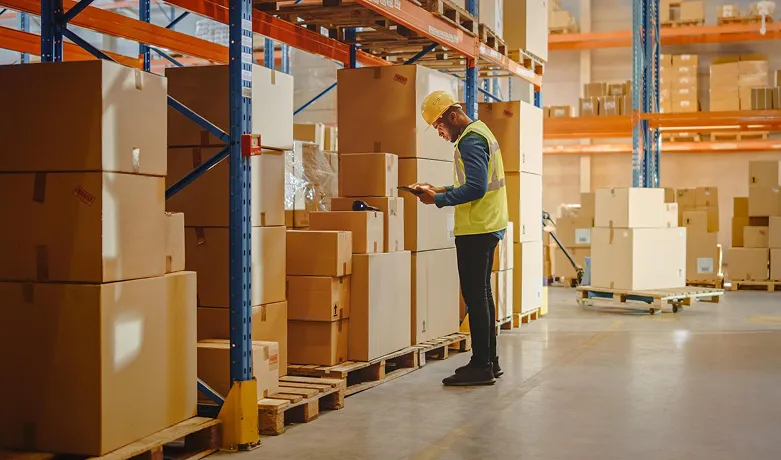
Trade show logistics and exhibition logistics add layers of complexity that retail shipments don’t usually face. As experiential marketing and branded activations continue growing as a share of corporate marketing budgets, organizations are increasingly consolidating this complexity under a single logistics partner rather than juggling multiple vendors. This particular shift reduces coordination risk and gives event teams a single point of accountability instead of confusing five.

How Global Trade Policy is Affecting Retail and Event Logistics
Global logistics function amidst the evolving tariff dynamics, shipment policies, custom requirements, trade agreements, and geopolitical developments. Any businesses importing merchandise or materials overseas, certain factors can influence the landed cost, and planning decisions that we are going to discuss in detail. If we look at the bigger picture, practically, trade policy does not affect every shipment in the same way. In fact, the impact varies on other factors like the product, its country of origin, destination, and current custom rules.
1. Tariffs and changing landed costs
Tariffs can increase the cost of imported merchandise, exhibition equipment, and materials used in retail operations. For retailers, changing import costs can influence purchasing decisions, inventory budgets, and product pricing. For event exhibitors, they may affect the economics of shipping display materials or demonstration products internationally. A practical response involves reviewing landed costs, checking applicable duties, and evaluating shipping options before committing to a delivery schedule.
2. Customs requirements and shipment planning
The US Trade Representative maintains an official record of presidential tariff actions, including changes to tariff rates and the scope of certain trade measures. Its published actions illustrate why international shipping requirements should be checked against current rules rather than assumed to remain unchanged. Businesses shipping internationally should verify applicable customs documentation, product classification, country-of-origin information, and any relevant restrictions. For event freight, this planning should also consider the event’s installation deadline and the time needed for customs clearance and final delivery.
3. Building flexibility into global supply chains
Trade uncertainty can make it harder to plan around a single sourcing location or fixed shipping timeline. Retailers may evaluate alternative suppliers, adjust replenishment schedules, or maintain appropriate inventory buffers for critical products. Event organizers and exhibitors may consider shipping essential materials earlier or identifying local sourcing alternatives where practical. These decisions should be based on the specific shipment and commercial requirements, rather than assuming that every business needs to change its supply chain. The broader lesson is that responsive logistics depends on preparation, current information, and the ability to adjust when conditions change.
Key Factors to Look For Before Partnering with a Retail Logistics Solutions Provider
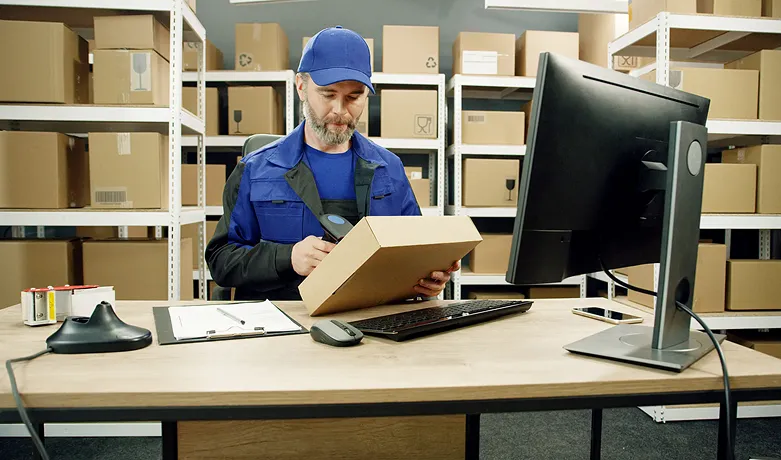
- Industry experience: Familiarity with retail distribution, event freight, exhibition requirements, or relevant shipment types.
- Visibility and communication: Clear updates, accessible shipment information, and defined escalation contacts.
- Transportation flexibility: Options suited to shipment size, urgency, destination, and handling requirements.
- International shipping knowledge: Understanding of documentation, customs coordination, and applicable trade requirements.
- Contingency planning: Practical alternatives for delays, missed appointments, or unexpected operational changes.
- Service consistency: Processes that support reliable execution across recurring shipments and different locations.
Pro Tip: A useful starting point is to map the customer journey and identify where logistics creates the most friction. For a retailer, the priority may be order cancellation, while an event organizer is more concerned about venue deliveries, or an exhibitor may prioritize global freight coordination.

Decoding the Future