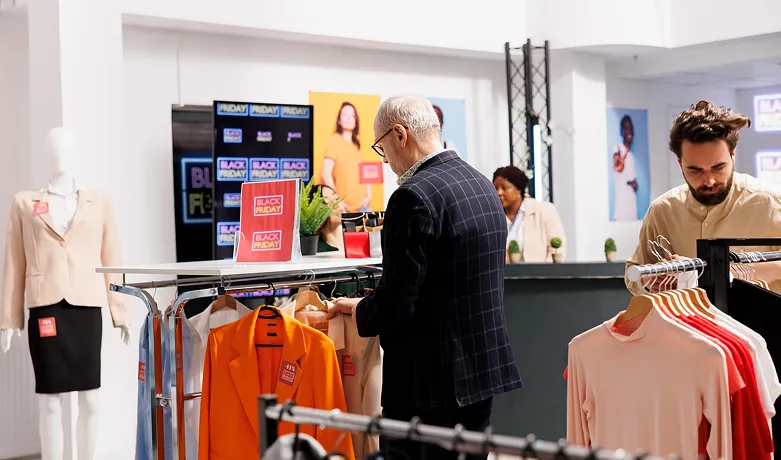
This is the challenge of launching retail pop-ups across multiple locations. Every site has different delivery windows, installation needs, and teardown deadlines, and all of them need to work together. Without proper coordination, delays can lead to added expenses, missed launch dates, and lost sales opportunities. Working with experienced retail pop-up delivery, setup, and teardown professionals helps bring order to the process. With the right plan in place, you can coordinate each stage more effectively and keep your rollout moving from one location to the next. Here’s your practical guide to making it happen.
Why Multi-Location Pop-Ups Go Wrong? Mistakes to Avoid
1. Fragmented logistics and supply chain
Managing deliveries across zip codes isn’t easy, especially when vendors, inventory, and delivery schedules are spread across regions. A delayed shipment can leave a pop-up waiting for essential fixtures or equipment, while adding to freight and storage costs, which can quickly exhaust your budget. This is where reliable pop-up event setup services come in to help coordinate deliveries and on-site requirements, keeping each location on track and ready for launch.
2. Misunderstanding Local Market Dynamics
What works in New York or Los Angeles may not attract the same attention in Austin, Chicago, or Miami. Each market has its own customer preferences, shopping habits, foot traffic patterns, and seasonal trends. Relying on broad and generic demographic data instead of local insights can lead to poor location choices and disappointing sales. While pop-up installation services help bring your retail concept to life, understanding the local market ensures your setup, displays, and customer experience align with the audience you’re trying to reach.
3. Regulatory and Compliance Hurdles
Opening pop-ups across multiple locations opens Pandora’s box of dealing with different permits, zoning rules, health codes, and labor regulations. Requirements may vary by state, county, and city, making it hectic to keep every launch on schedule. Missing a permit or a local requirement can delay opening day and increase frustration and operational costs.
4. Inconsistent Brand Experience and Staffing
Your pop-up should deliver a consistent brand experience to customers both in Miami and Seattle. However, hiring temporary staff in different cities, maintaining service standards, and overseeing remote teams can quickly become challenging. The same applies to physical execution: inconsistent displays, rushed installations, or incomplete removals can affect your brand image or perception among customers.

5 Proven Ways to a Successful Multi-Store Retail Pop-Up Setup
1. Start With a Location-by-Location Rollout Plan
Before booking the best name in the business, build a master rollout plan that accounts for every targeted location. Each site can have different operating conditions, even when the brand experience is planned to be identical across locations.
So, start by documenting:
- Site details: Full address, store contact, loading dock location, parking restrictions, and access instructions.
- Installation requirements: Fixture dimensions, display specifications, electrical needs, signage, and equipment.
- Scheduling inconveniences: Delivery windows, installation schedules, launch dates, and teardown deadlines.
- Site-specific rules: Insurance requirements, approved contractors, building access policies, and any applicable permits.
- Local resources: Installation crews, receiving contacts, storage options, and emergency contacts.
These details solidify your master plan into a well-executed temporary retail installation.
2. Coordinate Shipping, Receiving, and Fixture Delivery
Even a well-planned pop-up can miss its launch date if the fixtures arrive at the wrong place or at the wrong time. Retail pop-up setup and teardown becomes more complicated when shipments contain separate components: display units, branded signage, shelving, lighting, promotional materials, technology, and saleable inventory. If one essential component is missing, the entire installation goes kaput.
A reliable retail pop-up delivery plan should address:
- Appointment-based deliveries and receiving hours.
- Loading dock access, vehicle restrictions, and site contacts.
- Shipment tracking and proof of delivery.
- Special handling for oversized, fragile, or high-value fixtures.
- A contingency plan for delayed, damaged, or incomplete shipments.
- Last but not least, the time needed to move materials from the receiving point to the intended area.
For brands managing several markets, consolidated planning and coordinated distribution can help reduce confusion, avoid unnecessary handling, and improve visibility across the rollout.
3. Schedule Pop-Up Installation Services Around Real Site Conditions
Once materials are professionally wrapped and packed, the next challenge is getting the right people and equipment on-site at the right time.
For example, installing a freestanding promotional display in an existing store may require relatively little work and less time. Conversely, building a branded temporary retail shop with custom fixtures, lighting, signage, and product demonstration areas may require additional preparation and labor.
Before confirming the schedule, verify the following:
- Number of installers required for each site.
- Estimated installation duration and crew arrival time.
- Total number of tools, equipment, and handling resources.
- Dependencies such as electrical work or fixture assembly.
- Authorized person to approve the finished installation.
- A contingency window for unexpected site conditions.
Whenever possible, use a pilot location to test the installation sequence before rolling it out nationally. This can reveal the hidden inconveniences which, if not fixed, may later compound into additional complexity.
4. Use One Centralized Communication and Tracking System
When several teams are working across different time zones and cities, fragmented communication can quickly escalate into last-minute firefighting.
Avoid this by establishing one shared source of truth by:
- Tracking each location through clear milestones
- Confirming approved site and pop-up project requirements
- Ensuring all fixtures, equipment, and supplies are ready and shipped according to schedule
- Confirming the arrival of shipments on time and inspection of damaged or missing items
A centralized dashboard allows project managers to distinguish between an arrived shipment and an installation that is actually ready for customers. For larger campaigns, assign one rollout coordinator to supervise the overall schedule while local teams handle site-level execution.
5. Plan Pop-Up Teardown Services Before the Campaign Opens
Do not treat teardown as the final task on the calendar. Pop-up teardown services require their own schedule, labor plan, packaging materials, transportation arrangements, and destination instructions. Without these details, retailers risk leaving fixtures behind, missing venue deadlines, or paying for additional store and trip charges. Such as:
- Removal of products, promotional materials, and signage.
- Disassembly of equipment by qualified personnel where required.
- Safe dismantling of fixtures and temporary structures.
- Inspection, cleaning, and condition reporting.
- Inventory reconciliation and labeling.
- Protective packing and preparation for transport.
- Return shipment, transfer, storage, or approved disposal.
- Final site inspection and confirmation that the space has been cleared.
- Photograph reusable components before packing and document damage before the shipment leaves the venue.
This helps teams determine whether fixtures can be reused at the next activation or need repair.
A missed teardown window can affect the property’s next tenant or event and create unavoidable charges.
Final Thoughts: Great Pop-Ups Are Won on Execution, Not Just Design
If you’re mapping out a multi-city launch, talk to a logistics team about your timeline before your designs are final. Scheduling a quick conversation now can save days at install.