
Choosing the right shipping method can significantly impact your supply chain, operating costs and customer satisfaction. For businesses moving goods intentionally, the decision often comes down to air freight vs ocean freight.
While air freight offers exceptional speed and reliability, ocean freight shipping provides a cost-effective solution for transporting large volumes of cargo worldwide. The right choice depends on your shipment priorities, delivery timelines, cargo type and budget.
This comparison guide explores the differences between air vs ocean freight, helping you determine which solution best supports your business goals while maximizing supply chain efficiency.
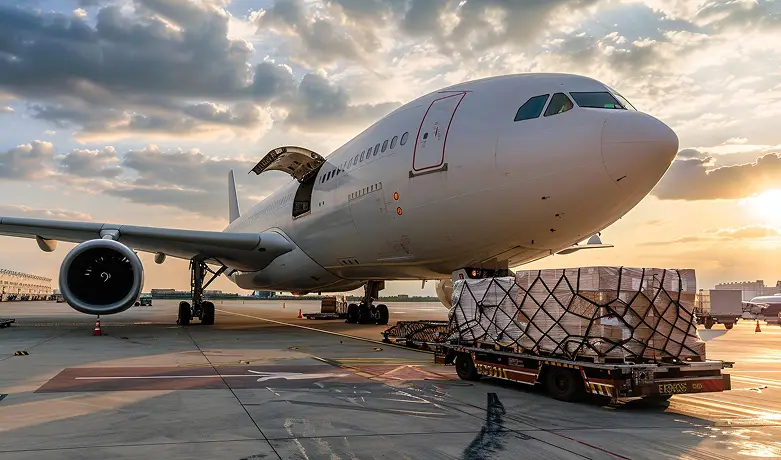
What Is the Difference Between Air Freight and Ocean Freight?
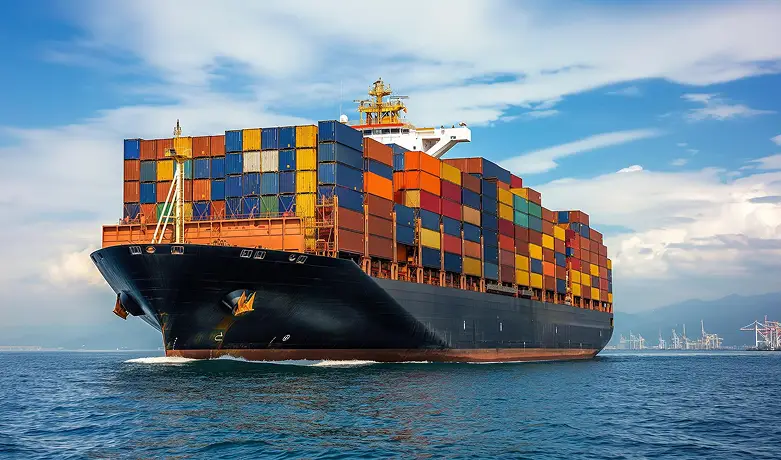
The primary difference between air freight vs ocean freight is how goods are transported.
| Air Freight | Ocean Freight |
| Air freight moves shipments using commercial or cargo aircraft. It prioritizes speed, security and fast delivery across international markets. | Ocean freight transports goods using cargo vessels through global shipping routes. It focuses on cost efficiency and large shipment capacity. |
Both methods play essential roles in international logistics, but selecting the right option depends on your business requirements rather than one method being universally better.
Why Choosing the Right Freight Solution Matters
International shipping affects much more than transportation.
It influences:
- Delivery performance
- Inventory planning
- Customer satisfaction
- Operating costs
- Supply chain resilience
- Business competitiveness
Selecting the wrong shipping method can result in:
- Missed deadlines
- Higher transportation costs
- Inventory storages
- Production delays
- Customer dissatisfaction
Businesses that align freight solutions with shipment priorities improve operational efficiency while reducing unnecessary logistics expenses.
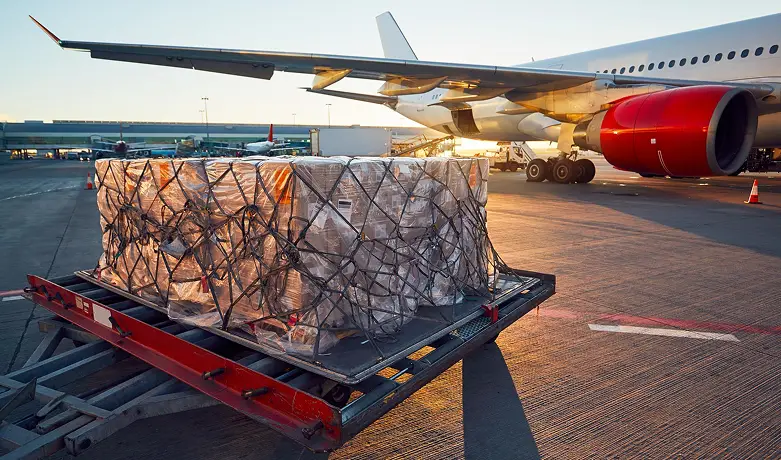
Air Freight vs. Ocean Freight at Glance
| Feature | Air Freight | Ocean Freight |
| Speed | Excellent | Moderate |
| Cost | Higher | Lower |
| Cargo Volume | Limited | Very High |
| Best For | Urgent shipments | Bulk cargo |
| Transit Time | Days | Weeks |
| Environmental Impact | Higher | Lower per shipment |
| Shipment Visibility | Excellent | Excellent |
| Global Coverage | Extensive | Extensive |
Each shipping method offers distinct advantages depending on cargo requirements and delivery expectations.
1. Speed: The Biggest Difference
The most noticeable difference in air freight vs ocean freight is transit time. Air freight is designed for speed. International shipments often arrive within a few days, making it ideal for businesses with tight delivery schedules. It is commonly used for:
- Medical supplies
- Electronics
- Automotive components
- Fashion products
- High-value inventory
- Emergency replacement parts
By comparison, international ocean freight typically requires several weeks, depending on the destination, shipping route, customs procedures and port congestion.
Although slower, ocean freight remains the preferred solution for businesses shipping large quantities of goods that are not time-sensitive. When speed is your highest priority, air freight provides a clear advantage.
2. Cost Comparison
Transportation cost often plays a major role in selecting the appropriate shipping method. Air freight generally costs more because of:
- Aircraft operating expenses
- Fuel consumption
- Limited cargo capacity
- Airport handling charges
Ocean freight distributes transportation costs across much larger cargo volumes.
This makes ocean freight logistics significantly more economical for heavy or oversized shipments.
Businesses transporting large inventories frequently choose ocean freight services because the lower shipping cost improves overall profitability. Instead of evaluating transportation rates alone, businesses should consider the total value of faster delivery versus lower logistics costs.
3. Cargo Capacity
Another major advantage of ocean freight shipping is its ability to transport large volumes of cargo. Ocean containers accommodate:
- Heavy machinery
- Manufacturing equipment
- Building materials
- Consumer goods
- Vehicles
- Industrial products
Container shipping also allows businesses to consolidate multiple shipments into a single transport solution.
Air freight has more weight and size limitations due to aircraft capacity. It works best for:
- Small shipments
- Valuable products
- Lightweight cargo
- Time-sensitive inventory
If shipment size is your primary concern, ocean freight usually provides greater flexibility.
4. Reliability & Scheduling
Reliability involves more than delivery speed. Businesses require predictable transportation schedules to maintain efficient supply chains.
Air freight generally offers:
- Frequent departures
- Shorter transit times
- Reduced handling
- Faster customs processing
- Greater schedule flexibility
Ocean freight schedules are reliable but influenced by:
- Weather conditions
- Port congestion
- Customs inspections
- Vessel schedules
- International shipping routes
Despite these variables, ocean freight forwarding remains one of the world’s most dependable transportation methods for planned shipments. The right choice depends on how critical delivery timing is for your operations.
5. Environmental Impact
Sustainability has become an important consideration for modern businesses. Air freight produces higher carbon emissions due to aircraft fuel consumption. Ocean freight transports significantly larger cargo volumes using fewer resources per shipment.
For businesses pursuing environmental goals, ocean freight logistics often provides a more sustainable transportation solution. Many organizations combine air and ocean freight strategically to balance delivery performance with environmental responsibility.
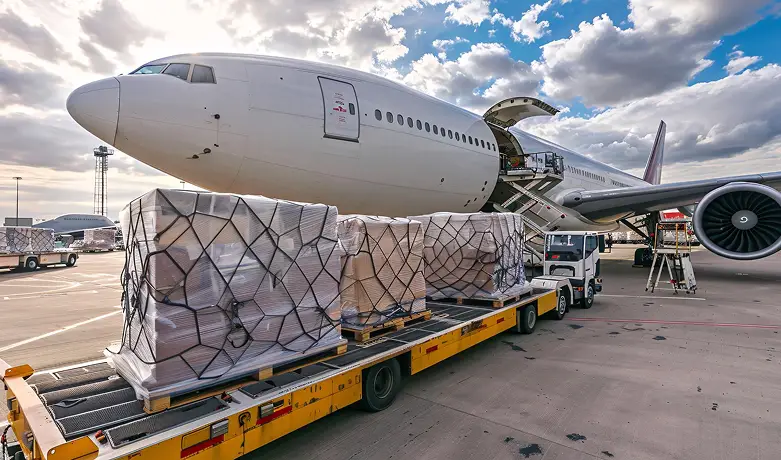
Air Freight vs. Ocean Freight Comparison
| Comparison Area | Air Freight | Ocean Freight |
| Delivery Speed | ⭐⭐⭐⭐⭐ | ⭐⭐ |
| Shipping Cost | ⭐⭐ | ⭐⭐⭐⭐⭐ |
| Cargo Capacity | ⭐⭐ | ⭐⭐⭐⭐⭐ |
| Security | ⭐⭐⭐⭐⭐ | ⭐⭐⭐⭐ |
| Flexibility | ⭐⭐⭐⭐⭐ | ⭐⭐⭐ |
| Sustainability | ⭐⭐ | ⭐⭐⭐⭐⭐ |
| Urgent Shipments | Excellent | Limited |
| Heavy Cargo | Limited | Excellent |
Neither shipping method is universally superior. The best solution depends entirely on shipment priorities.
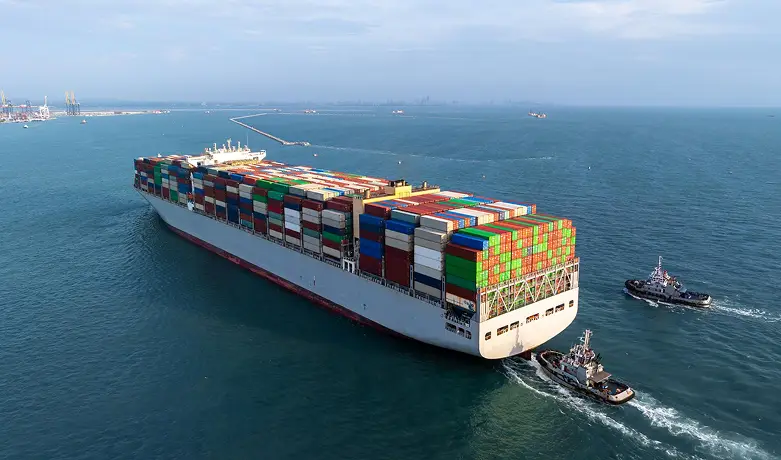
Which Shipping Option Fits Your Business?
Ask yourself these questions:
- Does your shipment require urgent delivery?
- Is the cargo lightweight?
- Are shipping deadlines critical?
- Is inventory running low?
- Are products highly valuable?
If you answered “Yes,” air freight is likely the better choice.
Now consider:
- Is the shipment heavy?
- Is cost reduction important?
- Are delivery timelines flexible?
- Are you shipping containers?
- Is sustainability a priority?
If these questions describe your shipment, ocean freight may provide greater long-term value.
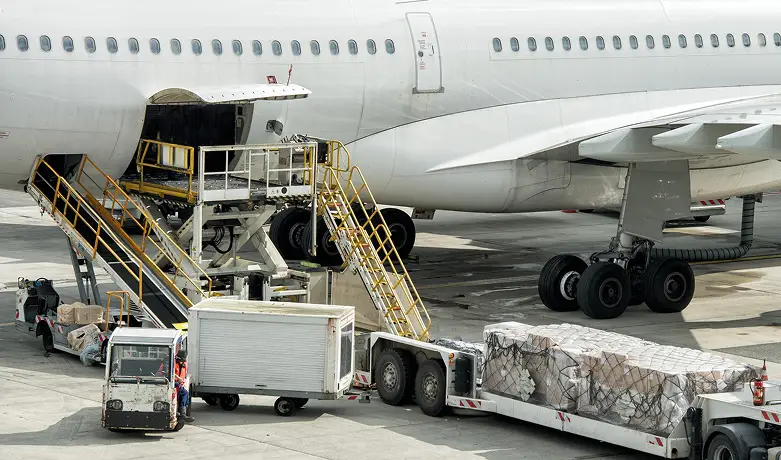
Understanding Total Shipping Value
Businesses often compare freight services based solely on transportation costs. However, shipping decisions should consider the total impact on operations.
Questions worth asking include:
- Will delayed inventory affect production?
- Can faster delivery increase customer satisfaction?
- Would inventory shortages reduce revenue?
- Does shipment value justify premium transportation?
Sometimes paying more for air freight prevents significantly larger business losses. In other situations, ocean freight delivers the same outcome at a much lower cost. Evaluating total business value leads to smarter logistics decisions.
When Should You Choose Air Freight?
Air freight is the preferred option when speed, reliability and shipment security are critical to your operations. Consider air freight if your business regularly ships:
- Medical supplies and pharmaceuticals
- High-value electronics
- Automotive replacement parts
- Fashion and luxury products
- Perishable goods
- Time-sensitive documents
- Emergency inventory
Air freight minimizes transit times while reducing inventory shortages and production delays. Although transportation costs are higher, the value of faster delivery often outweighs the additional expense for urgent shipments.
Businesses operating in competitive markets frequently rely on air freight to meet customer expectations and maintain uninterrupted operations.
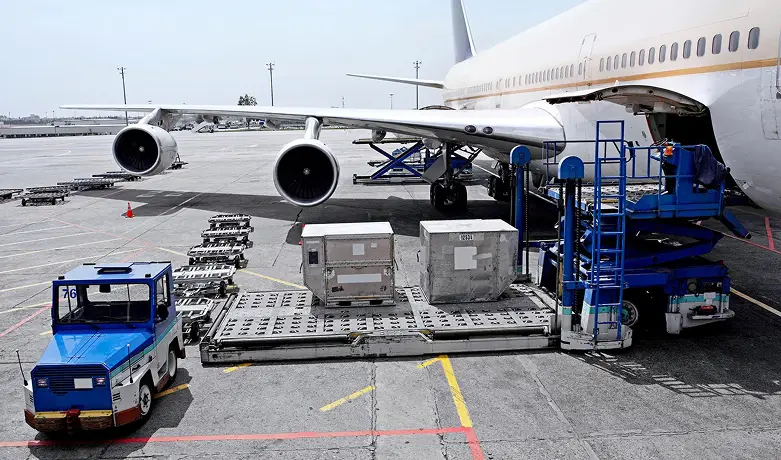
When Should You Choose Ocean Freight?
Ocean freight shipping is the ideal solution when transportation costs, cargo volume and long-term planning take priority over speed. Choose international ocean freight when shipping:
- Full container loads (FCL)
- Less-than-container loads (LCL)
- Industrial machinery
- Building materials
- Consumer goods
- Furniture
- Manufacturing equipment
- Bulk inventory
Businesses with predictable inventory cycles often benefit from lower shipping costs while maintaining efficient supply chain operations. For planned shipments with flexible delivery schedules, ocean freight forwarding offers exceptional value and global connectivity.
Cost vs. Business Value
Shipping decisions should focus on overall business impact rather than transportation cost alone.
Air Freight Value
Although air freight has higher shipping rates, it can help businesses:
- Prevent stock shortages
- Reduce production downtime
- Meet customer deadlines
- Launch products faster
- Lower inventory carrying costs
In many cases, faster delivery protects revenue and strengthens customer relationships.
Ocean Freight Value
Ocean freight logistics provides significant savings when:
- Shipping high volumes
- Moving heavy cargo
- Replenishing inventory
- Supporting international distribution
- Managing long-term supply chain planning
Businesses should evaluate freight decisions based on total operational value instead of selecting the lowest shipping rate.
Industries That Benefit from Air Freight
Certain industries rely on fast transportation to maintain productivity and customer satisfaction.
Healthcare & Pharmaceuticals Medical equipment, vaccines and pharmaceuticals often require urgent transportation with minimal transit time. Air freight supports timely deliveries while protecting product integrity.
Technology & Electronics
Electronic products have high value and relatively low weight. Air freight minimizes transit time while reducing inventory risk.
Automotive
Manufacturers frequently rely on air freight for critical replacement parts that keep production lines operating. Even small shipping delays can result in significant financial losses.
Fashion & Retail
Seasonal collections and promotional inventory often require rapid international transportation. Air freight helps retailers meet launch schedules and customer demand.
Industries That Benefit from Ocean Freight
Several industries depend on ocean freight services because of their large shipping volumes.
Manufacturing
Manufacturers regularly transport raw materials, machinery, and finished products using ocean freight. Large container capacity supports efficient international supply chains.
Construction
Heavy equipment, steel products and building materials are well-suited for container shipping. Ocean freight offers economical transportation for oversized cargo.
Furniture & Home Goods
Furniture retailers commonly use international ocean freight to transport bulk inventory from overseas suppliers. Container shipping lowers transportation costs while supporting predictable replenishment schedules.
Consumer Products
Businesses importing household goods, packaged products, and retail inventory frequently depend on ocean freight logistics to manage large shipment volumes efficiently.
Air Freight vs. Ocean Freight: Which Scales Better?
As businesses grow, scalability becomes increasingly important.
Air freight scales well for:
- High-value products
- Urgent shipments
- Premium customer service
- Fast inventory replenishment
Ocean freight scales well for:
- Large product volumes
- International sourcing
- Bulk imports
- Cost optimization
Many successful businesses combine both transportation methods.
For example:
- Air freight for urgent inventory.
- Ocean freight for routine replenishment.
This hybrid logistics strategy balances cost, speed and operational flexibility.
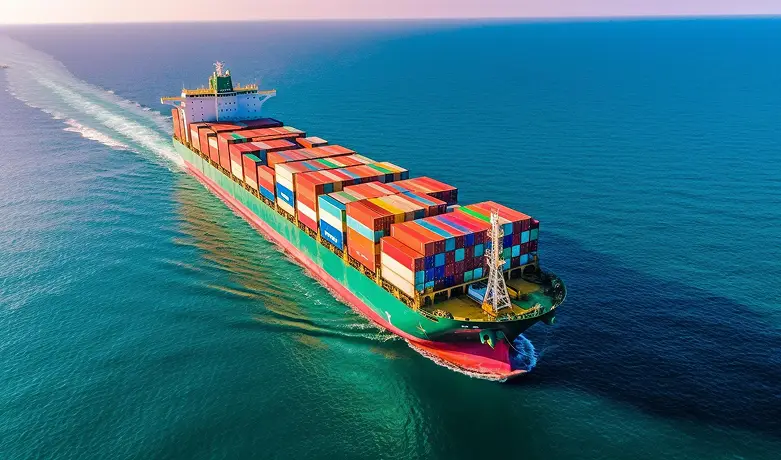
Freight Trends Shaping Global Logistics in 2026
Global supply chains continue to evolve as businesses seek greater resilience and efficiency.
Several trends are influencing freight decisions.
Greater Supply Chain Visibility
Businesses increasingly expect real-time shipment tracking and proactive communication throughout transportation. Enhanced visibility supports faster decision-making and better customer service.
Multi-Modal Shipping
Companies are combining air and ocean freight to optimize transportation costs while maintaining delivery performance. Hybrid shipping strategies continue gaining popularity.
Sustainability Initiatives
Organizations are placing greater emphasis on reducing carbon emissions. Many businesses now prioritize ocean freight shipping for non-urgent cargo while reserving air freight for critical deliveries.
Digital Freight Management
Modern logistics platforms provide automated documentation, shipment visibility, inventory integration, and performance reporting. Technology continues simplifying international freight operations.
Why Partner With OmniFreight Solutions?
Selecting the right transportation method begins with choosing the right logistics partner. At OmniFreight Solutions, we develop customized freight strategies based on your cargo, timelines and business objectives.
Our capabilities include:
- International Air Freight
- Ocean Freight Services
- Freight Forwarding
- Customs Clearance
- Warehousing & Distribution
- White Glove Logistics
- Shipment Visibility
- End-to-End Supply Chain Support
Whether you require urgent international deliveries or cost-effective container shipping, our experienced logistics professionals help you select the most efficient transportation solution.
Explore Our Air Freight Services for fast, secure international shipping.
Discover Our Ocean Freight Services for reliable, cost-effective global transportation.
Frequently Asked Questions
What is the difference between air freight and ocean freight?
Air freight transports cargo by aircraft, offering faster transit times. Ocean freight ships goods by sea, making it more suitable for large or heavy shipments at lower costs.
Is air freight more expensive than ocean freight?
Yes. Air freight generally costs more because of aircraft operating expenses and limited cargo capacity. Ocean freight is usually more economical for bulk shipments.
Which shipping method is faster?
Air freight is significantly faster, often delivering international shipments within days. Ocean freight can take several weeks, depending on the destination and shipping route.
Which industries benefit most from ocean freight?
Manufacturing, construction, furniture, consumer goods and industrial sectors frequently use ocean freight services for transporting high-volume cargo.
Can businesses use both air and ocean freight?
Absolutely. Many businesses combine air freight for urgent shipments with ocean freight for routine inventory replenishment to balance speed and cost.
Final Thoughts
Choosing between air freight vs ocean freight depends on your shipment priorities, operational goals and customer expectations.
Air freight offers unmatched speed, reliability and security for time-sensitive cargo, while ocean freight shipping provides a cost-effective solution for transporting large volumes across global markets. Understanding the strengths of each option allows businesses to build a flexible logistics strategy that balances cost, efficiency and service quality.
Rather than viewing air vs ocean freight as competing solutions, consider how each can support different stages of your supply chain. The right transportation strategy will improve operational performance, strengthen customer satisfaction and position your business for long-term growth.
Ready to Optimize Your Global Shipping Strategy?
Whether you need rapid international air freight or economical ocean freight logistics, OmniFreight Solutions can design a transportation strategy that aligns with your business goals. Our experienced logistics specialists provide customized freight solutions that improve efficiency, reduce shipping risks and keep your supply chain moving confidently across global markets.