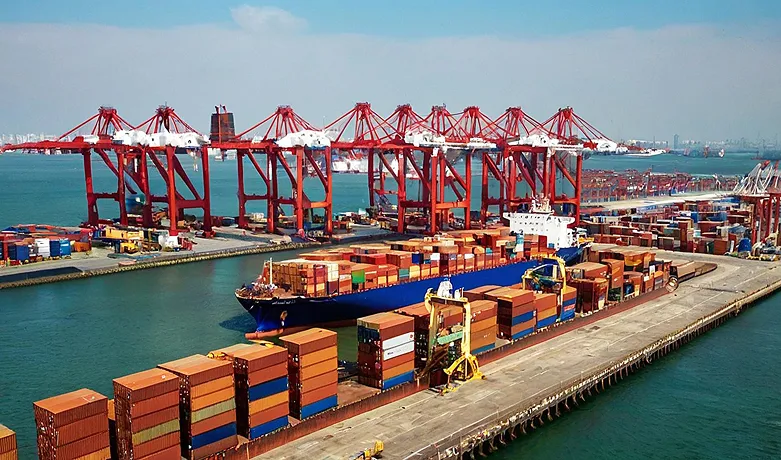
Global merchandise trade is not moving the way it used to. After expanding by roughly 4.6% in 2025, the World Trade Organization expects global trade volumes to grow by less than 2% in 2026- a sharp decline driven by tariff uncertainty, rerouted shipping lanes, and geopolitical risk that piled up in freight quotes. For U.S. importers and exporters, these evolving trading dynamics have created a confusing gap between “harder to trade” and “still need to trade” is exactly where freight forwarding services earn their keep. A shipment today doesn’t just cross an ocean, it navigates shifting tariff schedules, rerouted canal traffic, capacity-constrained air corridors, and customs regimes that can change with a single regulatory notice. Today, the modern freight forwarding solution company exists to adapt and absorb these complexities, so operations teams can focus on the business, not the cross-border shipping complexities.
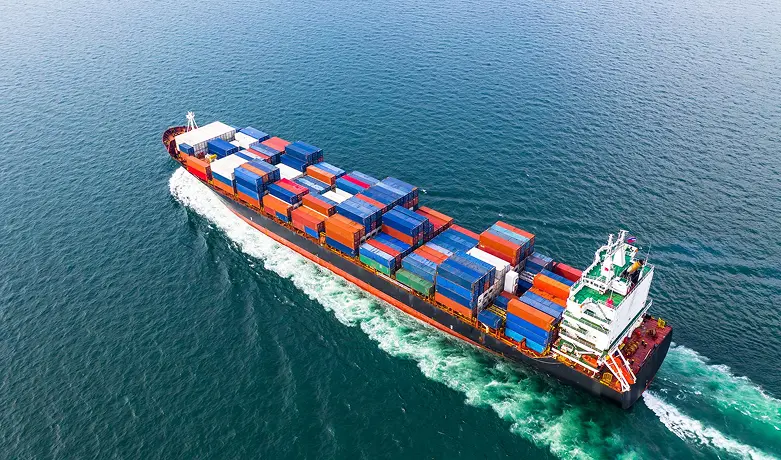
What are freight forwarding services?
In practice, that means:
- Carrier and rate negotiation across ocean, air, rail, and road, so shippers aren’t exposed to volatile spot-market pricing alone.
- Documentation and compliance, including bills of lading, certificates of origin, and the classification work that determines duty exposure under current HTS codes.
- Customs brokerage coordination, keeping shipments compliant as tariff schedules shift mid-transit.
- Cargo consolidation, combining smaller shipments to hit better rates and fuller container utilization.
- Cargo insurance and risk management, particularly important on longer, rerouted lanes.
- End-to-end visibility, tracking a shipment from origin dock to last-mile delivery.
Put simply, the success or failure of global freight forwarding depends on its ability with seamless custom and trade compliance management.
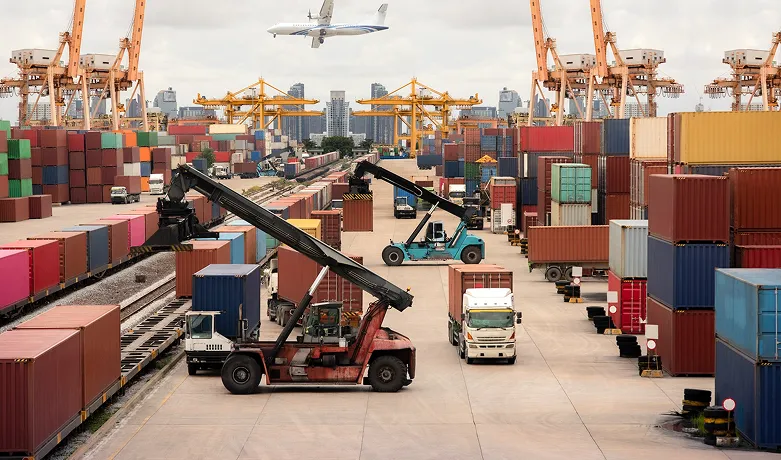
Advantages of Partnering with a Credible Freight Forwarding Company
Hiring reputed freight forwarding services not only comes with the assurance of seamless international shipping but also a complete peace of mind. Here is how
1. Coordinates Multiple Transportation Modes:
International shipments rarely follow a straight forward route. A shipment crosses multiple nodes to fulfillment, which might involve route by road, ocean, and air, clear customs at a foreign port, move to a distribution center, and finally reach the customer by another truck or parcel carrier. Partnering a freight forwarding company coordinates these handoffs.
For example, shipping a time-sensitive cargo by air freight forwarding may provide faster transit, while larger or less time-sensitive shipments, ocean freight forwarding is a more practical way to ship , balancing cost, transit time, capacity, reliability, cargo requirements, and customer expectations.
2. Reduces Documentation Complexity:
International shipping involves multiple levels of paperwork and even small inconsistencies can create unnecessary expensive delays. Behind every seamless international shipping is a teamwork of an efficient freight forwarding company that effortlessly manages commercial invoices, packing lists, bills of lading, certificates, customs information, and other shipment-related documentation.
This becomes particularly important as companies expand into new markets or add more suppliers and trading partners. Partnering with a reputed name in the international shipping services means fewer manual handoffs and less time spent chasing missing shipment information.
3. Helps Businesses Navigate Customs Requirements:
Customs is one of the areas where international shipping becomes particularly sensitive.
Commodity classification, country of origin, valuation, documentation, duties, and applicable trade measures can all influence the movement and cost of shipment.
A reputed freight forwarder coordinates with customs professionals and other qualified parties, to ensure freeze-free shipment movements. Besides, professional freight logistics services provide coordination and operational support around those requirements. Hence, it is crucial to choose an experienced global freight forwarding company, proficient in navigating the compliance complexities so your shipment moves through the borders effortlessly.
4. Improves Shipment Visibility:
One of the most frustrating experiences for an operations team is knowing that a shipment is somewhere in the network but not knowing exactly what is happening. Modern international freight forwarding services make it crystal clear with its proactive adoption of digital tracking, system integrations, and centralized shipment information to improve visibility.
For businesses managing multiple carriers, suppliers, warehouses, and customers, adopting connected data can turn shipment management from reactive follow-up into proactive exception management. This is particularly relevant for growing businesses where spreadsheets, emails, carrier portals, and disconnected systems can quickly become difficult to manage.
5. Helps Control Freight Costs:
The true cost of an international shipment can include fuel-related charges, port fees, handling, storage, customs duties, insurance, detention or demurrage, expedited transportation, and the operational cost of delays. This is why comparing a single freight quote does not always reveal the most economical option. Reputed freight forwarding services evaluate the shipment within its broader logistics context to decide on the right total landed cost and service outcome.
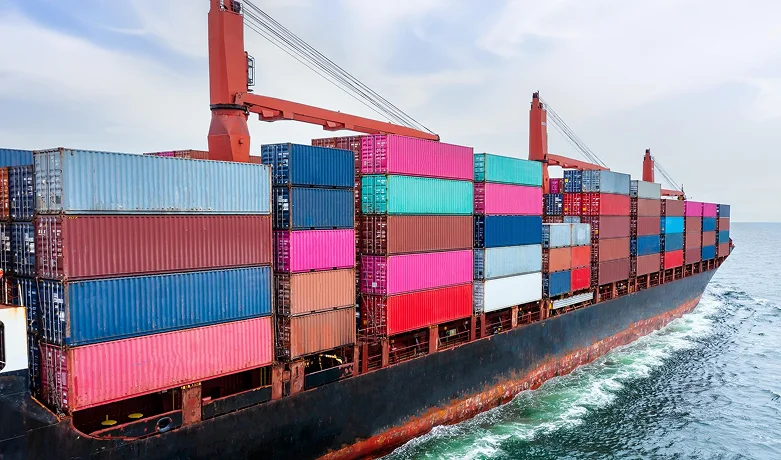
Ocean Freight Forwarding vs. Air Freight Forwarding: Matching Mode to Need
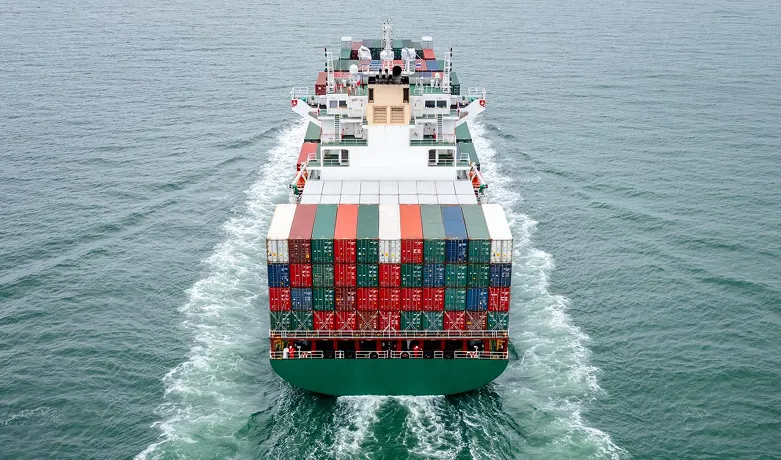
Ocean freight forwarding remains the backbone of global trade by volume, handling the bulk of industrial, retail, and manufacturing cargo where cost efficiency outweighs speed. It grew a respectable 4.6% in 2025 but is expected to decelerate closer to 2.5- 2.6% in 2026 as capacity tightens on key corridors.
Air freight forwarding, by contrast, is the release valve when speed matters more than cost, like perishables, high-value electronics, or inventory recovering from a delayed ocean shipment. Air cargo capacity has been squeezed by roughly 22% in some regions amid Middle East conflict disruptions, even as demand growth in early 2026 outpaced expectations in markets like Asia-Pacific.
Few internal logistics teams track both markets closely enough to make that mode decision optimally on every shipment. A forwarder that works across both modes daily can make that call in real time and adjust it again when conditions change mid-shipment.
Looking Ahead: Building Shipping Resilience, Not Just Shipping Capacity
The throughline across tariff shifts, canal restrictions, and capacity swings is that international shipping in 2026 rewards businesses that plan for disruption rather than react to it. That means diversified sourcing, pre-negotiated contingency capacity, and a shipping partner who tracks trade policy as closely as they track vessel schedules.
Freight forwarding services simplify international shipping not by making the world less complicated, but by absorbing that complexity on a business’s behalf- turning tariff changes, rerouted lanes, and carrier capacity swings into decisions someone is already managing, rather than surprises landing on an operations team’s desk. In a trade environment defined by change, that’s the difference between shipping reactively and shipping with confidence.
If your supply chain strategy still treats freight as a line item rather than a lever, it may be time to have that conversation with a logistics partner who can show you what’s actually possible.