
U.S. retail is no longer a simple choice between shopping online and visiting a store. Modern customers increasingly expect both channels to work as one connected omnichannel experience to be accurate, convenient delivery, fast, easy pickup, and painless returns.
The scale of this shift in retail is significant. As AI-driven shopping tools are already weighing delivery speed as a ranking factor, fulfillment has quietly become a decisive factor alongside product and marketing. This exact moment is driving the comparison between store fulfillment vs in-house fulfillment and their dynamic role in shaping the bottomline.
This guide sheds light on what separates in-house order fulfillment from outsourced fulfillment services, the best practices for retail brands, and how the market is making this call with confidence.
Before delving deeper, it is essential to understand that the retail brands in 2026 are focused on building a robust fulfillment operation that supports both growth and customer experience.
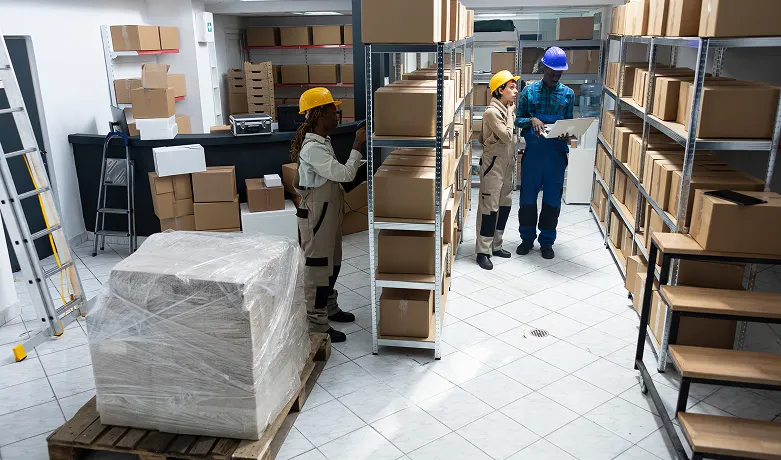
In-house fulfillment: Where it still makes sense?
In-house fulfillment means a brand controls its own warehouse, staff, technology stack, and shipping relationships from end to end. For certain retailers, this remains the smarter path, particularly when:
- Order volume is steady and predictable, making it easier to plan staffing and space without paying for the flexibility a 3PL builds into its pricing.
- Products require specialized handling, such as fragile goods, made-to-order items, or heavy customization. This level of direct oversight reduces error risk.
- Brand experience is inseparable from the unboxing moment, and packaging, inserts, or quality checks need a level of hands-on control that’s harder to standardize across a third-party network.
- The business already has the capital and management bandwidth to invest in warehouse management systems, trained staff, and carrier negotiations without pulling focus from product and marketing.
The trade-off is real, though. In-house fulfillment seamlessly manages capital across facilities, equipment, and headcount that don’t automatically flex with demand. A strong holiday season can just as easily expose the ceiling of an in-house model as it can prove its value.
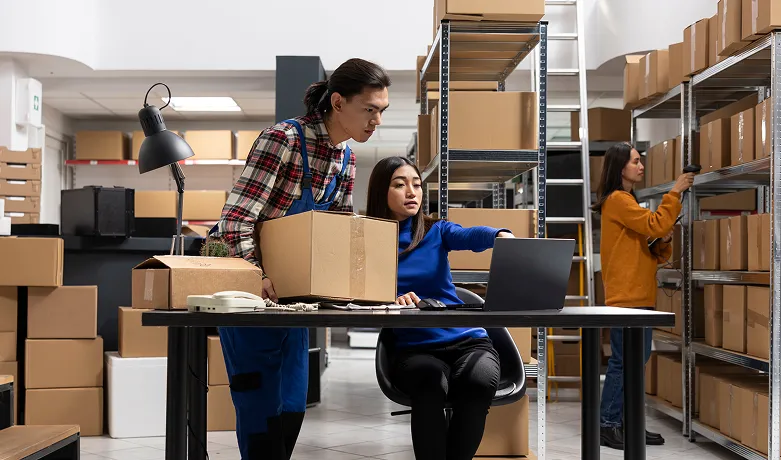
Best Practices for Online Store Fulfillment, Regardless of the Model
Whether a brand keeps the fulfillment in-house or outsource fulfillment services, the following daily operational hygiene or best practices can separate the brand to scale smoothly.
1. Prioritize clear service-level benchmark:
Order accuracy above 99%, same- or next-day shipping, and defined response times for exceptions should be tracked whether the work happens in an owned warehouse or a partner facility.
2. Build inventory visibility into every channel:
Stockout and overselling erodes trust fast. This real-time syncing between the storefront and warehouse floor is non-negotiable.
3. Plan for peak season in advance:
Whether it’s a holiday surge or a product launch- retail channels should prioritize capacity planning, staffing, space, and partner allocation in advance to start well before the rush.
4. Treat return as customer experience, not just grievance:
Offering customers a fast and stress-free return service directly influences repeat purchase behaviour and should be designed with the same care as the initial delivery.
5. Realign the model with volume:
A perfectly aligned fulfillment structure for 50 orders a day is not the right fit for a 5000 order volume. Building in periodic reviews align the operation with the current status of the brand.
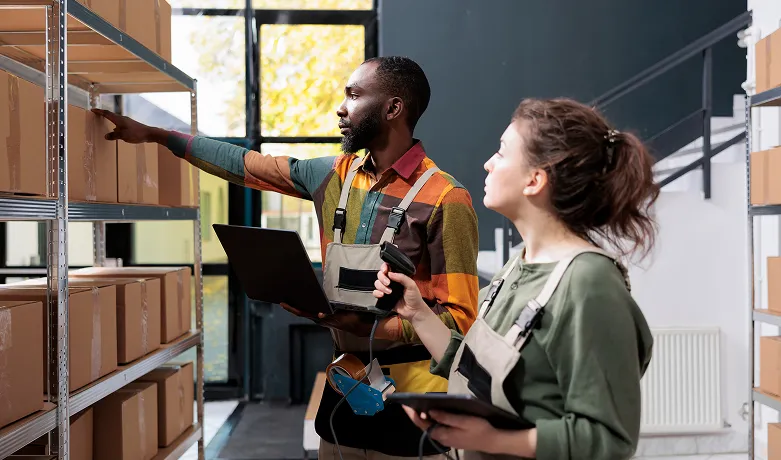
Store fulfillment vs in-house fulfillment: Which is the best choice for retail brands?
Choosing between store fulfillment, and in-house fulfillment is not an either or choice. A more practical approach is to evaluate if the retailer wants to continue managing the entire operation internally or outsource specialized logistics services to manage some or all fulfillment requirements.
Here is a comparative breakdown of the parameters of what particularly a retailer should evaluate before confirming one.
| Factors | In-house fulfillment | Outsourced fulfillment |
| Operational Control | High | Shared |
| Upfront investment | High | Low |
| Scalability | Rigid, depends on internal capacity | Comparatively flexible |
| Technology investment | Retailer-managed | Provider- supported |
| Geographic expansion | Requires additional infrastructure | Can scale in existing network |
| Customization | High | Depends on partner |
| Management complexity | Higher | Lower |
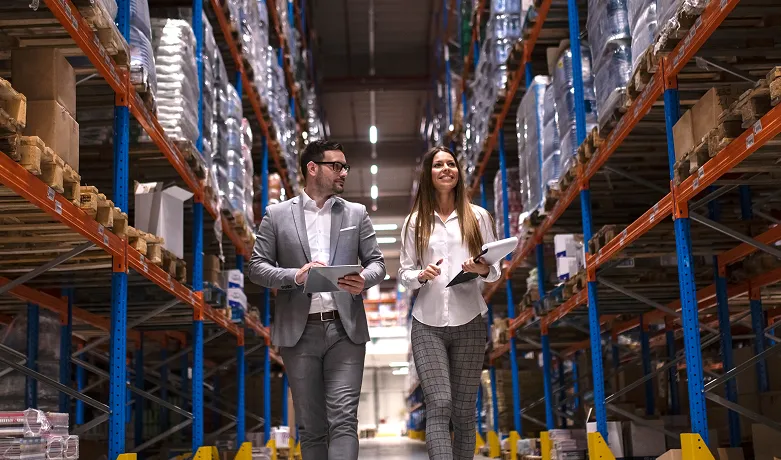
The Strategic Role of Fulfillment in Retail Growth 2026
Fulfillment is now the defining factor of the success of a retail brand. A customer may never see a warehouse, the order management system, or the carrier network. But, what they experience is the cumulative impact of those systems- whether the order arrived on-time, delayed, unexpectedly cancelled or the package delivered is damaged.
With the rapid explosion of the retail market, the strongest fulfillment strategy connects inventory, stores, warehouses, technology, transportation, and customer experiences. However, this shift does neither necessarily mean building everything internally, nor outsourcing specialized logistics services.
Deciding the right model depends on specific factors such as order volume, store footprint, product characteristics, geographical reach, labour economics, and growth objectives.
Final Mile Verdict
The store fulfillment vs in-house fulfillment decision isn’t just about warehouse space or shipping labels. Now, it’s centered around customer experience- whether a brand can keep its last-mile promise, as growth accelerates.
The retail brands pulling ahead right now are the ones treating fulfillment logistics as a strategic function: one that shapes conversion rates, repeat purchase behavior, and how much bandwidth leadership has left over for the parts of the business only they can build.
Getting there takes more than picking a model once and moving on. It takes distributed inventory positioning, real-time visibility, accuracy benchmarks that are actually tracked, and a returns process built with the same intention as the unboxing moment. The kind of infrastructure and hands-on expertise that experienced supply chain partners bring to growing brands every day. For retail teams ready to turn fulfillment from a daily bottleneck into a genuine growth engine, the smartest next step is a conversation with a logistics partner who has already solved these exact problems for brands at every stage of scale.
FAQs:
What's the main difference between store fulfillment and in-house fulfillment?
In-house fulfillment means a brand manages its own warehouse, staff, and shipping process directly. Store or outsourced fulfillment hands those operations to a specialized logistics partner, who handles storage, packing, and shipping using their own infrastructure and network.
When should a growing brand consider outsourced fulfillment services?
It’s worth exploring once order volume starts straining internal staff and space, delivery times begin slipping, or the cost of building an in-house operation would outpace the flexibility a fulfillment partner can offer.
Does outsourcing fulfillment mean losing control over customer experience?
Not necessarily. A well-vetted fulfillment partner with strong accuracy rates, branded packaging options, and transparent reporting can maintain and often improve the customer experience compared to a stretched in-house team.
How long does it typically take to transition to an outsourced fulfillment partner?
Onboarding timelines vary based on inventory volume and system integration needs, but most transitions to a new fulfillment partner take between one and three months from initial setup to full operation.