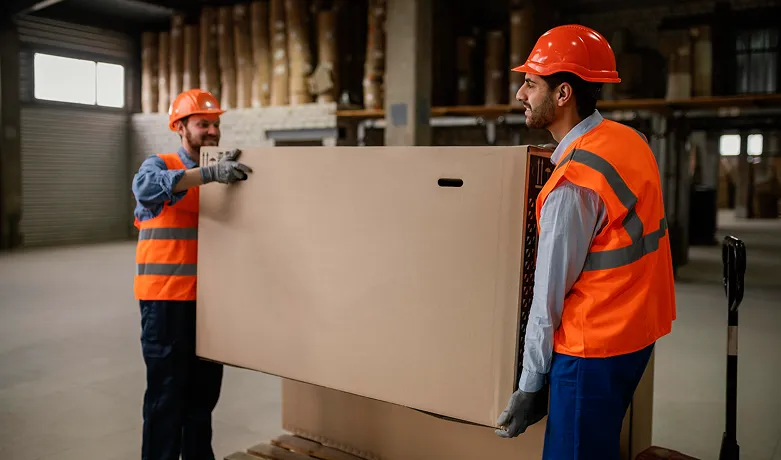
For retailers, these setbacks can delay openings, disrupt merchandising plans, and increase project costs. The challenge grows when coordinating store openings, remodels, seasonal resets, and retail rollouts across multiple U.S. locations. That is why choosing the right fixture delivery and installation company matters more than finding a carrier that can move products from one point to another. For a professional experience, you need a logistics partner that understands delivery scheduling, careful handling, site access, installation coordination, and the importance of meeting project deadlines.
Whether you are opening a new store, upgrading a showroom, or preparing a temporary retail activation, this guide explains what to look for in a provider, questions to ask before hiring one, and how to make your next fixture delivery seamless. Here is the practical version for the people who actually carry the deadline.

What Does a Fixture Delivery and Installation Company Do?
Common items handled during these projects include:
- Retail shelving, racks, and display units
- Checkout counters and customer service desks
- Point-of-purchase displays and promotional fixtures
- Commercial furniture, cabinetry, and showroom furnishings
- Modular fixtures for store openings and remodels
- Displays for pop-up shops, exhibitions, and brand activations
However, every provider offers different services. Some specialize in freight transportation, while others expertly coordinate final-mile delivery, white-glove handling, and installation through in-house teams or qualified partners. Understanding this difference is essential to ensure your project is secured with the right combination of transportation, site readiness, scheduling, and installation support.
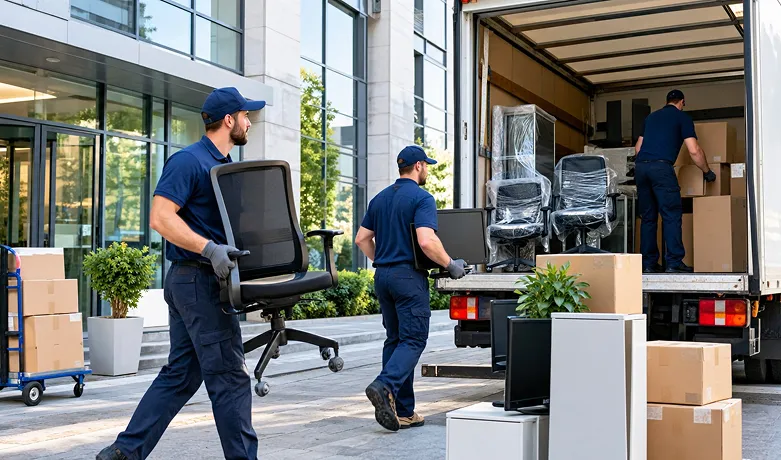
7 Things to Check Before Hiring a Fixture Delivery and Installation Company
1. Real Retail and Commercial Project Experience
Retail fixtures involve specific handling, placement, and installation requirements. Only an experienced provider in retail logistics is more likely to understand the coordination required in store openings, remodelling, and multi-location rollouts. So, before choosing a vendor, ask for relevant references, case studies, and examples of comparable projects. Make sure to look out for demonstrated experience in projects similar to yours rather than relying on general expertise alone.
2. Make Sure Delivery and Installation Are in Sync
One of the most challenging situations in fixture delivery and installation is a lack of coordination between transportation and installation. These silent gaps can create additional labor, rescheduling, and unnecessary pressure on project managers. When comparing fixture delivery and installation services, determine whether the provider can coordinate the complete process or work effectively with your existing vendors. A clearly defined scope of work helps prevent misunderstandings and keeps everyone aligned before project kick-offs.
3. Evaluate Handling Procedures
Fixtures can be bulky, fragile, expensive, or difficult to replace at short notice. Scratches on polished surfaces, broken display components, and damaged furniture can compromise a store’s presentation and delay installation. That makes handling procedures an important part of your vendor evaluation.
Ask how the provider manages packaging, loading, shipment protection, unloading, and condition checks. For oversized or delicate items, confirm whether specialized equipment or additional personnel are necessary. You may also want to consider white-glove delivery.
Depending on the agreed service level, white-glove delivery can include careful handling, inside delivery, placement in a designated room or area, unpacking, and packaging removal. Some providers also coordinate assembly or installation, but these tasks should never be assumed to be included automatically.
4. Check Coverage for Multi-Location Retail Rollouts
Coordinating a single store delivery is different from preparing 10, 20, or 50 locations for a scheduled rollout. Multi-location projects require consistent communication, reliable appointment management, clear site instructions, and the ability to coordinate deliveries across different markets. A delay at one location can also affect other activities, especially when fixtures are tied to a shared opening schedule or merchandising campaign. For retailers managing several locations, a coordinated point of contact can also reduce the administrative burden of communicating with multiple vendors.
5. Prioritize Scheduling, Tracking, and Communication
A fixture shipment arriving on the correct day is important. Knowing its status and receiving timely updates are just as valuable.
Retail deliveries often operate around specific receiving windows, shopping-center restrictions, loading dock availability, and overnight work schedules. If a delivery misses its appointment, the next available slot may not align with the installation crew’s schedule.
Before hiring retail fixture installation contractors, ask how delivery and installation timelines are communicated and managed.
6. Compare Total Project Costs, Not Just Transportation Rates
A lower freight quote may look attractive at first, but it does not always reflect the full cost of getting fixtures delivered, placed, and ready for use. Depending on the project, additional charges may apply for inside delivery, specialized handling, installation labor, after-hours access, waiting time, redelivery, storage, or packaging disposal.
For example, one quote may include transportation and curbside delivery, while another covers inside placement and scheduled delivery coordination. These are not equivalent services, even if the second quote is higher.
Consider the potential cost of problems as well. A missed installation appointment may require additional labor, another delivery attempt, or a change to the store’s opening preparations.
When comparing commercial fixture delivery and installation services, evaluate the complete scope, exclusions, scheduling commitments, and procedures for handling unexpected costs.
The goal here is to understand the total cost of completing the project, not simply the cost of moving the shipment.
7. Verify Insurance and Accountability
Before signing an agreement, verify that the provider has the appropriate business credentials, insurance arrangements, and operational capabilities for the services it will perform.
For interstate transportation, the Federal Motor Carrier Safety Administration provides a Licensing and Insurance search tool. The relevant checks depend on whether a business operates as a motor carrier, freight broker, or freight forwarder. For installation work, clarify who is responsible for correcting incomplete or improper work. If the project involves electrical connections, structural modifications, or other specialized trades, confirm that the required qualified professionals are included in the plan. A professional provider should be able to explain its responsibilities clearly before the project begins.
Unmissable Signs to Watch Out For Before Signing the Deal
Here are the signs to watch out for, usually on the first call:
- A lump-sum quote with no breakdown of delivery, assembly, and installation
- No certificate of insurance, or a reluctance to name additional insureds
- No site survey or readiness checklist before shipping
- Undisclosed subcontracting and no named project lead
- No photo documentation or punch-list process at handover
A delay in fixture installation cuts directly into the time your visual team has to set merchandise, so these gaps cost far more than the quote suggests.
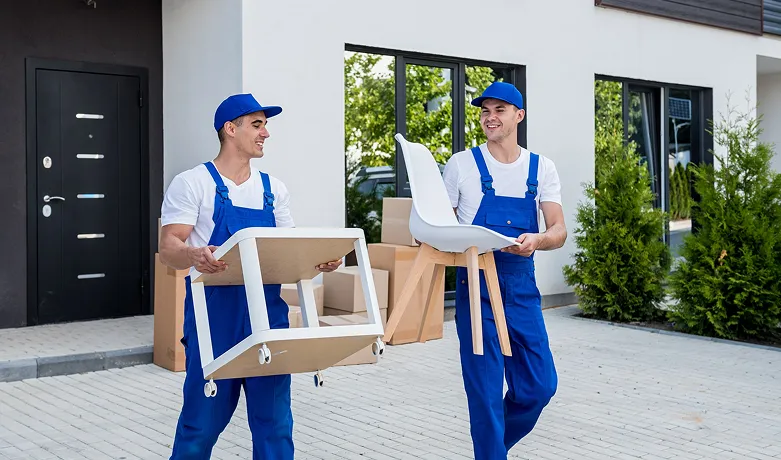
Plan Your Next Fixture Delivery with Confidence
Whether you are preparing a new store, refreshing an existing retail space, or coordinating a nationwide rollout, a well-planned logistics solution can help reduce avoidable disruptions and keep your project moving. For projects involving commercial furniture, retail fixtures, or time-sensitive deliveries, having a clear plan and the right logistics support can make all the difference.
Planning an upcoming retail rollout or commercial fixture delivery? Schedule a quick call to discuss your project requirements and explore a logistics approach tailored to your delivery schedule, locations, and handling needs.