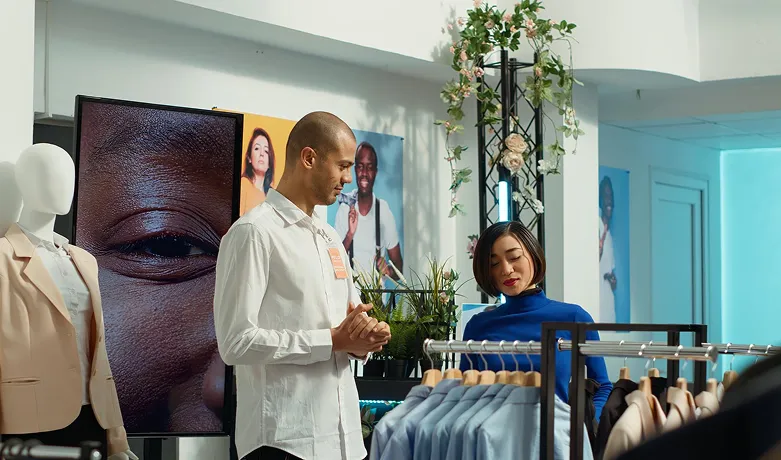
A successful store launch requires on-time delivery of the right fixtures, displays, equipment, and materials without any disputes or damage. Installation teams need to arrive as scheduled, store layouts must match the approved design, and everything needs to be ready before opening day. As one delayed shipment or incomplete installation can disrupt the entire launch schedule, adding additional cost and an unpleasant experience.
This is why retail rollout services are essential for retailers planning new store openings, remodels, rebranding projects, and nationwide expansion. Hiring professional retail chain rollout installation services ensures a seamless coordination of the movement of retail assets, delivery schedules, on-site installation, and flawless project execution across multiple locations.
Whether you manage a growing retail chain or oversee a nationwide store refresh, understanding how retail rollouts work can help you control costs, reduce operational disruptions, and deliver a consistent customer experience. In this guide, we serve you snackable insights for a professional retail expansion that complements your business goals and success metrics.
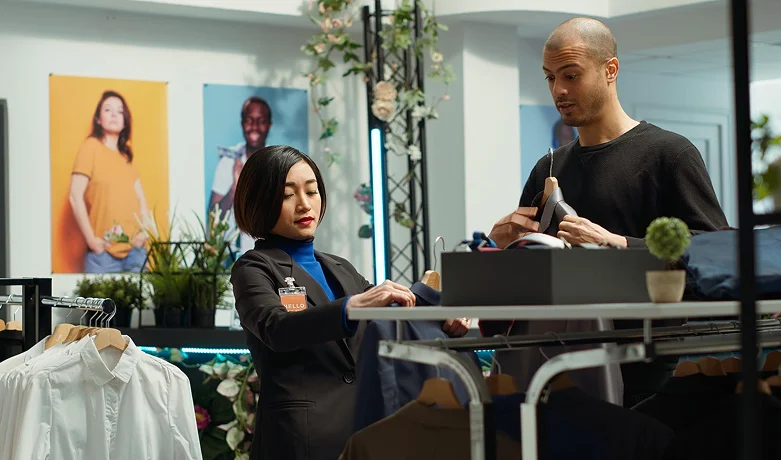
What Are Retail Rollout Services?
In the simplest terms, retail store rollout services are a kind of project management covering logistics and skilled labor under a single point of accountability. A professional retail rollout service team proactively coordinates the delivery, installation, and assembly of fixtures, displays, and innovations across multiple locations under one approved plan.
According to the defined project scope and plan, retail chain rollout installation services may offer:
- Fixture delivery of display units, shelves, counters, signage, and other store fixtures.
- Assembling and positioning fixtures according to the layout plan.
- Merchandising setup as per the rollout plan.
- Coordinating the movement of store equipment and promotional assets.
- Managing multi-location coordination for delivery & installation schedules, and on-site requirements.
- Organizing, removal, and return of existing fixtures and materials.
Service scope varies by provider and project. However, completing the work on time remains a priority, regardless of the store’s location. Electrical work, structural modifications, and other specialized tasks may require qualified professionals, while fixture removal and disposal should be confirmed in advance.
Why Rollouts Are Getting More Demanding
What Does a Retail Store Rollout Process Involve?
1. Project Planning and Site Assessment
It all starts with understanding the full scope of the rollout, which involves the following must-checks:
- Number of stores involved.
- Respective locations of the stores.
- Types of fixtures and equipment to be delivered.
- Are stores opening simultaneously, or will installations happen in phases?
- Installation deadlines and store opening dates
- Site access and delivery restrictions
- Site contacts and escalation procedures
- Required permits or specialist work, where applicable
- Approved fixture layouts and completion standards
An end-to-end site assessment should also identify receiving restrictions, loading dock access, installation requirements, building access hours, and any property-management rules. Such information helps create a realistic schedule and prevents unwanted surprises.
2. Inventory Preparation and Shipment Coordination
Before dispatch, every shipment should be checked against the specific store’s checklist.
Every retail asset, like fixtures, signage, hardware, display components, and installation materials, should be clearly labelled with accurate destination details. If a project includes identical fixtures for multiple stores, location-specific labelling can help prevent mix-ups.
A reputable retail rollout service generally creates a store-level delivery checklist to confirm availability of the required components before scheduling installation.
This one practical approach reduces the risk of sending a crew to a location only to discover that essential parts are missing.
3. Transportation and Scheduled Delivery
Ever had a display arrive damaged, or a shelving shipment land days before the crew was ready? That’s what happens when specialty fixtures are treated like ordinary parcels.
Oversized, fragile, custom-built, and high-value fixtures may require specialized packaging and handling. When delivery appointments, site restrictions, and installation schedules vary across locations, shipments must be sequenced to match each store’s readiness and the installation team’s availability.
4. On-Site Installation and Setup
Delivery is only half the job.
Once materials arrive, experienced retail rollout and installation teams turn them into a store that’s ready to open, assembling shelving and counters, placing displays, and positioning signage to your approved plan.
Because every site and asset is different, electrical connections and structural modifications are handled by specialized professionals who prioritize clear instructions, site contacts, and completion criteria in place, ensuring each location is finished to the same standard.
5. Quality Checks and Project Closeout
The best rollout partners don’t stop at “delivered.” They prove their efficiency in every step, from reviewing each store against your scope of work, ensuring correct installation, assembling components, accurate display placement, and a transparent record of any damage or open items.
- Fixtures assembled and positioned correctly
- Signage and displays installed to the approved plan
- Missing or damaged items documented
- Outstanding work assigned for resolution
- Completion photos and sign-off records submitted
That documentation protects you if questions come up later and turns each completed rollout into a smarter plan for the next one.

How to Choose a Retail Rollout Partner
For the best retail rollout and expansion experience, use this checklist when comparing multi-site retail installation services:
- Ask for a playbook that documents the scope, roles, approvals, installation steps, and brand standards before day one.
- Check logistics depth and the team’s expertise in warehousing, inventory handling, freight management, and labor handling.
- Confirm whether the nationwide retail installation services should pair national coordination with local crews who know local requirements.
- Prioritize end-to-end demand visibility to see status, photos, and reporting by site, instead of waiting for a weekly email.
- Verify quality control to ensure every technician at every location follows the same standards and procedures.
- Ask about careful handling for premium fixtures and fragile items, and their white-glove capability.
- Request similar references for rollouts that match your category and requirements.
Tips to Measure Retail Rollout Success
- On-time delivery rate: Percentage of deliveries completed within the agreed delivery window
- On-time installation rate: Percentage of installations completed by the planned deadline
- First-time completion rate: Percentage of locations completed without a return visit caused by missing items or incomplete work
- Damage and shortage rate: Frequency of reported damaged or missing items
- Cost per completed location: Total agreed rollout expenditure divided by the number of completed locations
Reassess each metric consistently before the project starts. Tracking these KPIs across multiple projects boosts successful store fulfillment requirements and guides retailers in making informed decisions about scheduling, provider selection, packaging, and future rollout.
To ensure fair and accurate performance evaluations, the measurement method and project scope should be agreed upon before the rollout begins. For example, a return visit caused by a late design change should not necessarily be considered a provider failure.

Bottom Line: Partner with the Experts to Plan Your Next Retail Rollout
Whether you’re opening your first group of stores or refreshing an established retail network, successful execution depends on coordinating shipments, fixtures, installation teams, and site deadlines.
A retail rollout partner can help bring these activities together under a defined project plan, with clear responsibilities and consistent reporting across locations.
If you’re planning a new store opening, multi-site installation, or nationwide retail refresh, share your store list, project timeline, and fixture requirements with OmniFreight Solutions to discuss the logistics support your rollout needs.